






Welcome To Your Caterpillar To Butterfly Kit Experience
Click Here for Complete Butterfly Kits starting at $29.99 and School Size kits starting at $76.99
Caring for your Caterpillars
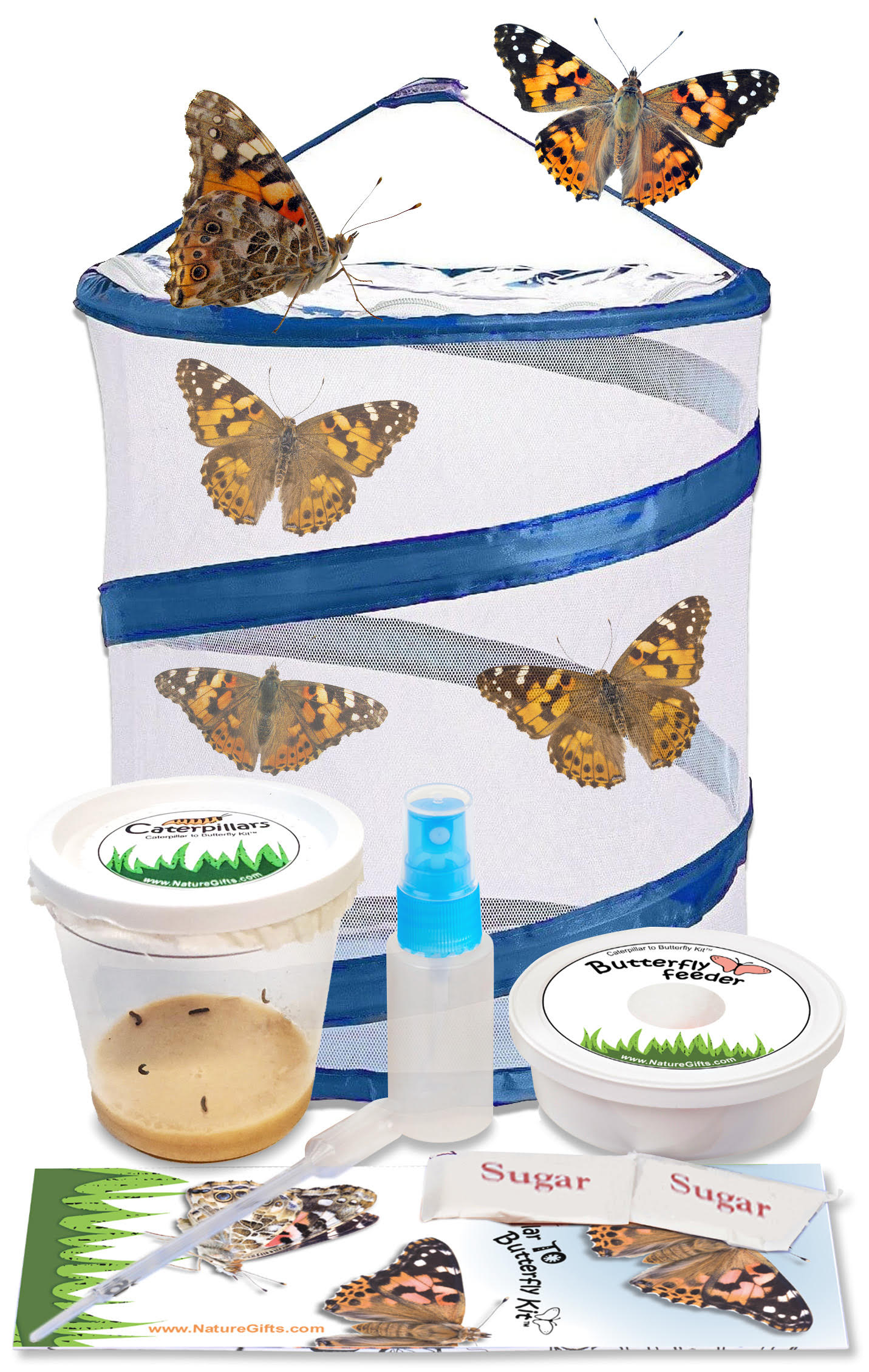
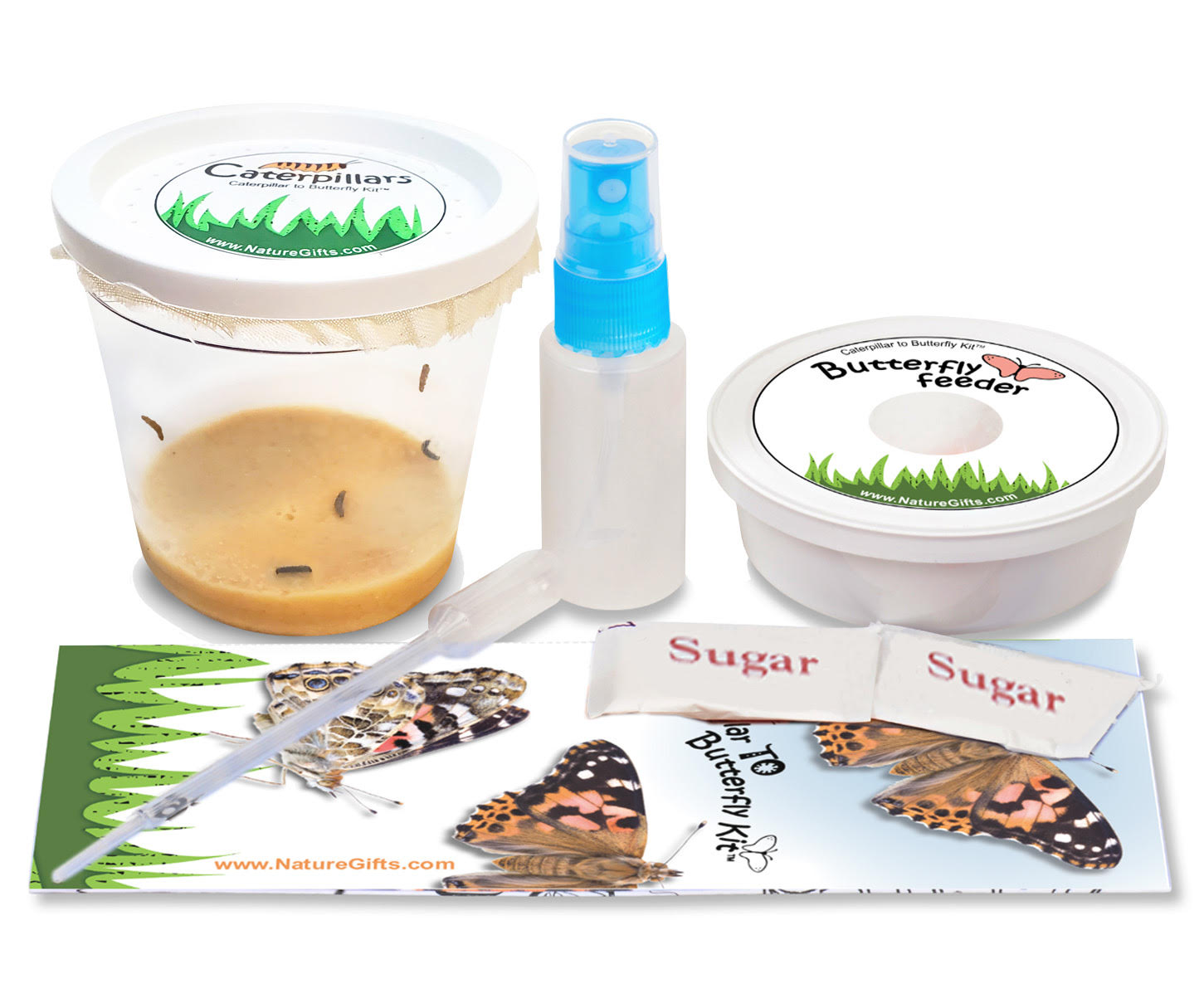
Look carefully at your caterpillar cup and you will see there are tiny holes punched in the lid for air. Your caterpillars need only the food on the bottom of their cup to thrive and grow. In the wild they like mallow and hollyhock plants, but our special concentrated diet is great for them. Watch as they eat, crawl, spin silk and grow to many times their original size! While they are growing you will see little balls on the bottom of the cup that are the caterpillars “frass” or waste. It should be left in the cup. While the caterpillars are in the cup you may gently pick it up to look at them but do not shake it or be rough with them. READ MORE
Changing from Caterpillar to Chrysalis
At normal room temperature the caterpillars should take 5 to 10 days to grow large enough to make the fascinating change from caterpillar to chrysalis. When they are ready to change, your caterpillars will climb to the top of the cup and attach themselves, using strands of silk, to the disk that is under the lid of the cup. They will hang upside down and make a “J” shape. Once they are in the “J” shape, their body will change into a chrysalis, and they will shed a very thin layer of outer skin that you may not even see. During the first day while their chrysalis is forming it is very important that they are not disturbed. Be very careful not to move or jiggle the cup. This is the most vulnerable stage in the development of a butterfly.
Caring for the Chrysalides
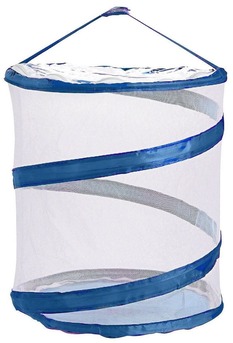
24 hours after ALL caterpillars have formed chrysalides is the best time to move them into the habitat. By this time, they should all be firmly attached to the disk under the lid of the cup. To move them to the habitat you are going to move the whole disk, not the individual chrysalides. Begin by setting up your habitat. Then gently open the cup and remove the disk, being very careful not to disturb the chrysalides. Carefully remove any webbing that may be stuck to the chrysalides. If you have our supply bag, there is a little hook included you can use to hang the disk securely on an inside wall (not the top) of the habitat. You can also use a safety pin or tape. The chrysalides will be hanging downward and laying against the disk. If any of your chrysalides become detached from the disk gently lay them on a napkin on the floor of the habitat next to a side wall. Chances are good that they will still emerge as healthy butterflies. Use a mister once per day to give them a gentle mist of room temperature water. This will help keep the chrysalides healthy. Be careful not to over mist them, it’s better to skip the mist than to drench them. As with the cup, the habitat should be kept at room temperature and out of direct sunlight.
Birth of Your Butterflies
Approximately 7 to 10 days after they have made their chrysalis your butterfly will emerge. Although the chrysalis phase seems to be a time when nothing is happening, it is a time of rapid change for your caterpillars. Within the chrysalis the old body parts of the caterpillar are undergoing a remarkable transformation, called metamorphosis, to become the beautiful butterfly that will emerge. READ MORE
The chrysalides will get darker as the time to emerge gets closer. Keep your eyes on them now as you may get to witness the birth of a butterfly! As a butterfly emerges, it will hold onto the disk in a vertical position while stretching its wings to full size. Don’t be alarmed if you see a red liquid, which may look like blood, coming from the tail of the butterfly. This is called Meconium. It’s a waste product left over from the butterfly’s metamorphosis. When a butterfly emerges, its wings are soft and folded and it cannot fly. Over a period of 1 to 2 hours the butterfly will stretch and strengthen its wings by forcing blood into its veins. During this time be careful not to touch or jiggle the habitat and do not touch the newly emerged butterflies. After this short period, the wings will be full-sized and completely hardened. Your butterfly is now full grown and ready for flight. At this point, you can safely reach into the habitat and remove the disk and chrysalis remains.
Feeding Your Butterflies
The normal lifespan of an adult butterfly is 2 to 4 weeks. You will want to observe your butterflies for a few days before you release them from the habitat. Butterflies will not eat the first day but after that you need to feed them. First, mix 1 sugar packet (or 1/2 tsp) of real sugar into ¼ cup of water. Use a shallow dish and add something that can be used as a wick: like a felt flower, cotton ball, or a crumpled paper towel. Fill the feeder just a little so that the wick stays moist. Butterflies will drink the sugar water from the moist wick. Set the feeder on the floor of the habitat. Keep extra sugar water refrigerated between feedings. Rinse and refill the feeder once a week.
Butterflies eat by unrolling their proboscis (like a tongue) and drinking the sweetened water. When they are finished, they roll their proboscis back up. Butterflies taste with their feet. You can use an eye dropper to place a drop of sugar water near the feet of a butterfly resting on the side of the habitat to see if they taste it then feed on it. Butterflies also like to drink from slices of freshly cut watermelon, banana, or orange. Once a day your butterflies would appreciate a gentle mist of room temperature water.
Observing and Releasing Your Butterflies
After observing your butterflies for a few days we recommend that you release them into their natural environment. This way they can continue their normal life cycle and breed and lay the eggs that will become caterpillars. Your butterflies are not likely to breed within the habitat because they prefer plants for laying their eggs. Painted Ladies live throughout North America and can be safely released anywhere. It’s best to release your butterflies when daytime temperatures are above 55°F. Once released, the butterflies can often be seen for several days in the vicinity of their release. If it is too chilly, you can keep them inside for their full lifespan.
Butterfly Kit Facts:
Q: How long before I get my caterpillars?
A: If your kit came with a certificate for caterpillars you can mail, fax, or email it to us per the instructions. Allow 2 weeks for arrival.
Q: Can I order butterflies during the winter?
A: We ship caterpillars year-round but only order if it is above 40 degrees in your area.
Q: My caterpillars aren’t moving. Are they dead?
A: Probably not, it may take days before they decide to move.
Q: Can I remove the cup lid and play with the caterpillars?
A: No. Removing the lid may introduce harmful bacteria. They have all the food and air they need to develop.
Q: All caterpillars have made a chrysalis except for one. Should I wait to transfer them into my habitat?
A: While your caterpillars are roughly the same age, sometimes a last caterpillar may need a little more time. You can wait 3 days for him to change and if he does not, move the chrysalides into the habitat now and put a piece of paper towel under the lid for the last caterpillar to attach to when he is ready.
Q: Why are the chrysalides shaking?
A: This is a natural instinct to ward off predators. Some may shake and some may not.
Q: If a chrysalis falls off the disk, what should I do?
A: Gently lay it on the bottom of the habitat on a napkin near a wall of the habitat. These are usually OK.
Q: What is the red liquid I see coming from the butterflies right after they emerge?
A: It is called Meconium. It is the leftover coloring and tissues from the butterfly’s metamorphosis. It is not blood.
Q: How long before I have butterflies?
A: Approximately 3 weeks: 5 to 10 days in the caterpillar stage and 7 to 10 days in the chrysalis stage.
Q: How long will the butterflies live?
A: Their normal life span is 2 to 4 weeks in the wild or in the habitat.
Q: When should I release my adult butterflies?
A: After observing the adult butterflies for a few days you can release them if the temperature is above 55°F.
Q: Do you give a guarantee?
A: It’s possible that you might lose a few caterpillars, chrysalis or butterflies to natural causes. Because of this, we do guarantee 3 caterpillars from your cup to become healthy butterflies. Contact help@naturegifts.com for help.
-
Complete Kit: 6 Large Cups
$66.99Add to Cart $66.99Add to cartQuick View -
Live Butterfly Kit with 5 Caterpillars
$29.99Add to Cart $29.99Add to cartQuick View -
5 Live Caterpillars+Supplies
$11.99Add to Cart $11.99Add to cartQuick View -
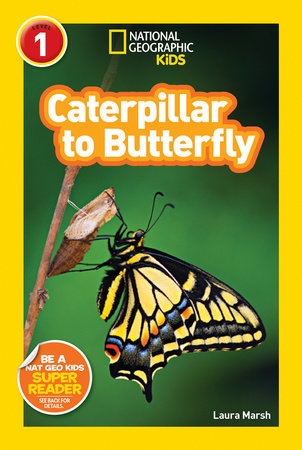
Caterpillar to Butterfly Life Cycle Book
$5.99Add to Cart $5.99Add to cartQuick View -
Butterfly Cage:12 Inch Enclosure
$12.99Add to Cart $12.99Add to cartQuick View