

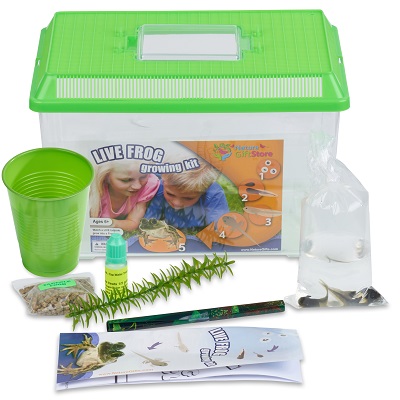
Welcome To Live Frog Growing Kit
Changing from Tadpole to Froglet to Frog
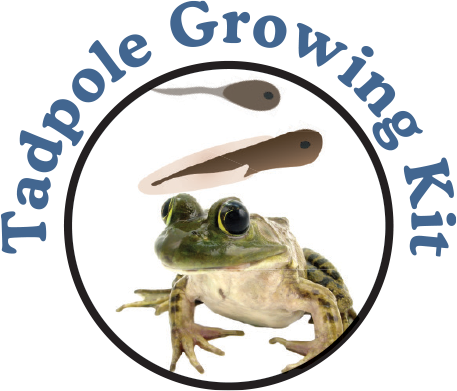
The change from tadpole to frog takes approximately 4 weeks. This change is called metamorphosis. First, back legs will emerge from the tadpole. Gradually the tadpole will develop lungs and you’ll see some changes to the tadpole’s head – like elevated eyes and a wider mouth. When the tadpole’s front legs develop it will stop feeding on tadpole food and its tail will begin to shrink. At this time it will start climbing partially out of the water. A tadpole that has front and back legs but still has a tail is called a “froglet.” A froglet may stop eating tadpole food but not be ready to eat adult frog food yet. The froglet will get its nourishment from its tail as the tail is absorbed into its body. When the tail totally disappears, it is now considered an adult frog and ready for their first frog meal. READ MORE
When Your Tadpoles Arrive
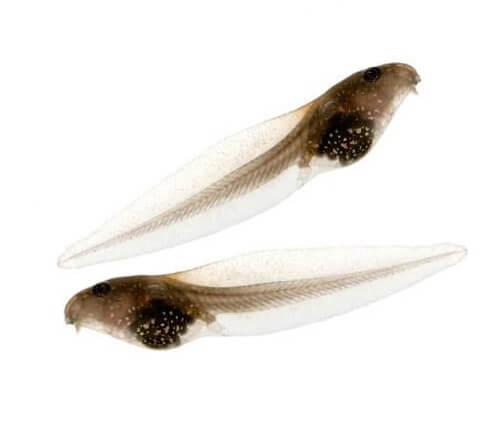
Your tadpoles look like little fish and live entirely in the water.
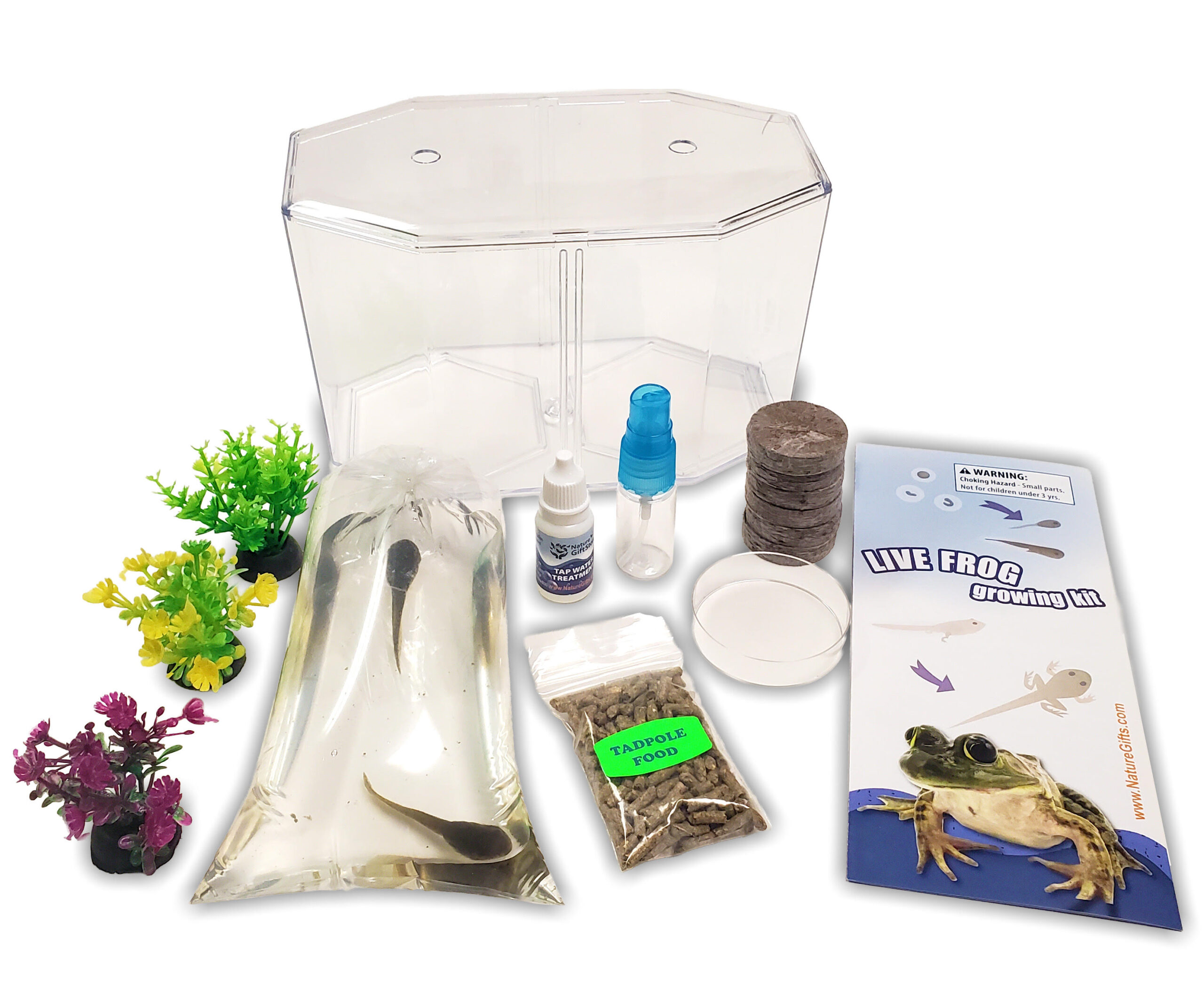
To prepare your habitat first fill it around ¾ full of warm (not hot) tap water. Add water treatment solution per the directions on the bottle. This step is very important because tap water can contain chemicals that are dangerous to your tadpoles. Now add your decor. After 2 hours you can open the bag your tadpoles came in and pour the entire contents into your habitat. Don’t be worried if there is no movement at first, it can take up to a day before tadpoles feel comfortable exploring the habitat. Always keep the lid on your habitat to prevent an escape.
Feeding Your Tadpoles
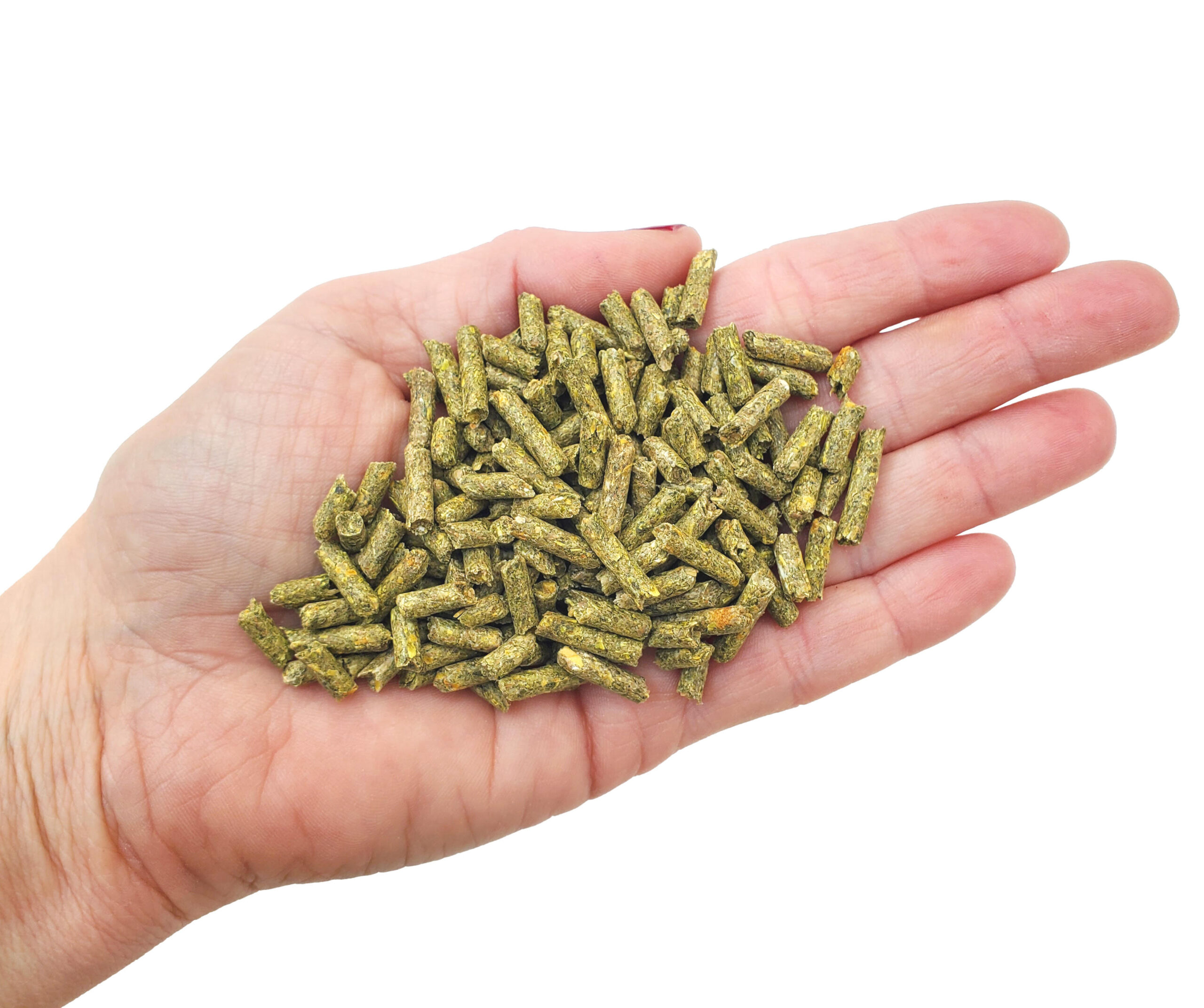
It is normal for your tadpoles not to eat on their 1st day as they adjust to their new home. Your tadpoles eat the sinking food pellets included with the kit. Start by feeding 1 pellet per tadpole, which should last about 3 days. Increase the frequency you give the tadpoles a pellet as they grow. Overfeeding can lead to poor water quality. If you run out of food or misplace it your tadpoles will eat goldfish food from the local pet store.
Clean the Habitat Weekly
Clean water is very important to your tadpoles. Most problems tadpoles have are caused by water that is not clean. Change 1/3 of the habitat water once a week even if the water appears clean. Keep the tadpoles in the habitat while cleaning. READ MORE
Adult supervision is required for water changes. First, fill a gallon container with tap water and treat it with water treatment solution. Let this water sit for 2 hours. Then wash your hands and rinse them well to make sure you have no soap or lotion on your hands that can get into the habitat when you scoop out the water because the residue can hurt the tadpoles. Use a cup (preferably disposable) to remove 1/3 of the water from the habitat and try to remove any uneaten food. We suggest pouring the dirty water into the toilet instead of the sink. Wash your hands thoroughly with soap and water after changing the water. Now fill your tank with the treated water leaving a ½ inch gap between the lid and the waterline. You’re done! You can keep any extra treated water ready for your next water change.
Changing To An Adult Frog Habitat
When you see a tadpole has developed front AND back legs, you will need to provide a way for it to rest outside of the water on dry ‘land’. Without a resting spot it is forced to swim continually, and it can drown now that it has developed lungs.
To prepare your habitat for this stage of the frog’s life, remove the water from the habitat and keep your froglets in a covered cup (preferably disposable) while you prepare their habitat. If you have our kit, start by preparing the peat pellets. In a large bowl add your peat pellets and ¼ cup of water per peat pellet. Soak the peat pellets for 1 hour and then pour any excess water out of your bowl. Now remove the outer wrapper of the pellets and spread the peat in the bottom of the habitat. Add the water dish to your habitat and pack the peat around it up to the rim to hold it in place. Use treated tap water to fill the dish. Now add your decor. If you do not have our kit, instead of peat you can use any substrate like dirt from your yard or aquarium gravel to spread on the bottom of the habitat. Make sure to add a shallow water dish.
Caring for Your Frog
Feeding: Sometimes a frog won’t eat for the first week so don’t worry if yours doesn’t eat right away. Frogs eat living insects and worms. They will not eat dead insects because they hunt based on movement of the prey. You can feed your frog fruit flies, tiny crickets, mealworms or earthworms from your local pet shop. When choosing a feeder insect, aim for something smaller than the size of your frog’s head. You can also collect your own insects like moths, sowbugs, flies or caterpillars. Only feed 1 or 2 insects at a time on the dry ‘land’ part of the habitat. Remove any dead insects from the habitat before adding more.
Watering: Frogs need clean water and high humidity. Make sure to change the water in the dish weekly as they like to sit and soak in the dish. Keep the peat moss moist to the touch. If you have our kit use the included mister once a day to keep everything in the habitat moist.
Cleaning: The peat moss should be changed once a month. You can find more at your local pet shop or garden center.
Can I play with the Tadpoles or Frogs?
No. A tadpole’s skin is fragile and is easily damaged if handled improperly. Frogs are delicate and may escape or be injured during handling. They will also dry out quickly which will injure the frogs.
What if I can no longer care for my Frogs?
Please do not release the frogs because they may not know how to survive in the wild. Some suggestions: find a friend or neighbor who would like pet frogs, donate them to a school for a wildlife display, or give them to a local pet shop who can possibly find them a home.
READY TO RAISE MORE TADPOLES?
Your habitat is reusable and we have tadpole refills. Visit us at www.NatureGifts.com when you are ready to experience the fun of rearing frogs again.
Frog Growing Kit Facts:
Q: How long does it take a tadpole to become a frog?
A: Approximately 4 weeks with weekly water changes.
Q: How long before I get my tadpoles?
A: If your kit came with a certificate for tadpoles you can mail, fax, or email it to us per the instructions. Allow 2 weeks for arrival.
Q: My tadpole isn’t moving. Is it dead?
A: Probably not, it can take up to a day before they explore the habitat.
Q: My tadpoles were doing fine and then next day they are dead. What happened?
A: This is usually a water problem. If you accidentally introduced hand lotion or soap into the habitat during a water change, or forgot to add the water treatment to tap water, or overfed and have dirty water for too long then it will harm your tadpoles.
Q: Do I need a heater, filter or gravel in my habitat?
A: No – room temperature water is best, filters may take away the tadpole’s food or injure them if they are too strong and gravel makes water changes very hard and isn’t necessary.
Q: Can I put a new tadpole in my habitat with a frog?
A: No, the frog may consider the tadpole to be food.
Q: What if I run out of tadpole food or water treatment solution?
A: Your local pet shop carries these – tadpoles like goldfish food and you can use any water treatment made for fish tanks that removes chlorine and neutralizes metals.
Q: Do you give a Guarantee?
A: Yes. We guarantee your tadpoles will arrive alive. After arrival we can no longer guarantee them as most problems with tadpoles come from improper water care. READ LESS READ LESS
-
Complete Tadpole to Frog Kit
$39.99Add to Cart $39.99Add to cartQuick View -
2 Live Tadpoles
$12.99Add to Cart $12.99Add to cartQuick View -
Tadpole Food Custom Mix
$4.99Add to Cart $4.99Add to cartQuick View -
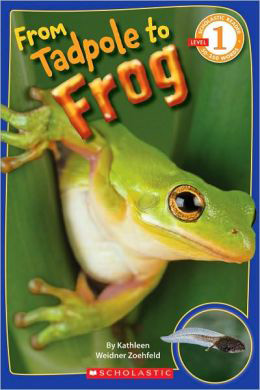
“From Tadpole to Frog” Book
$5.99Add to Cart $5.99Add to cartQuick View -
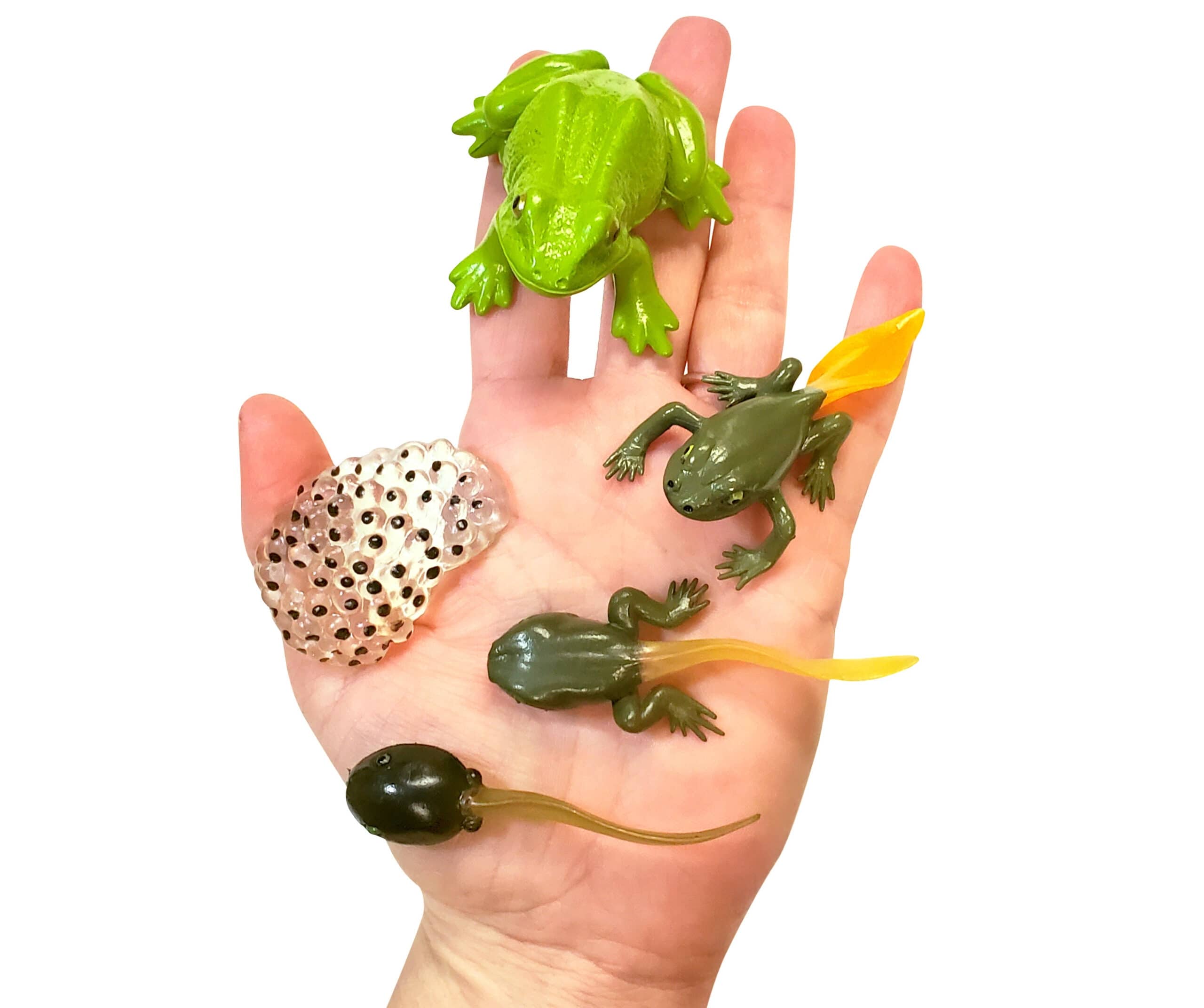
Frog Life Cycle Figurines
$12.99Add to Cart $12.99Add to cartQuick View